The 2026 Rental Industry Outlook: Key Technology Trends Equipment Companies Should Prepare for Now
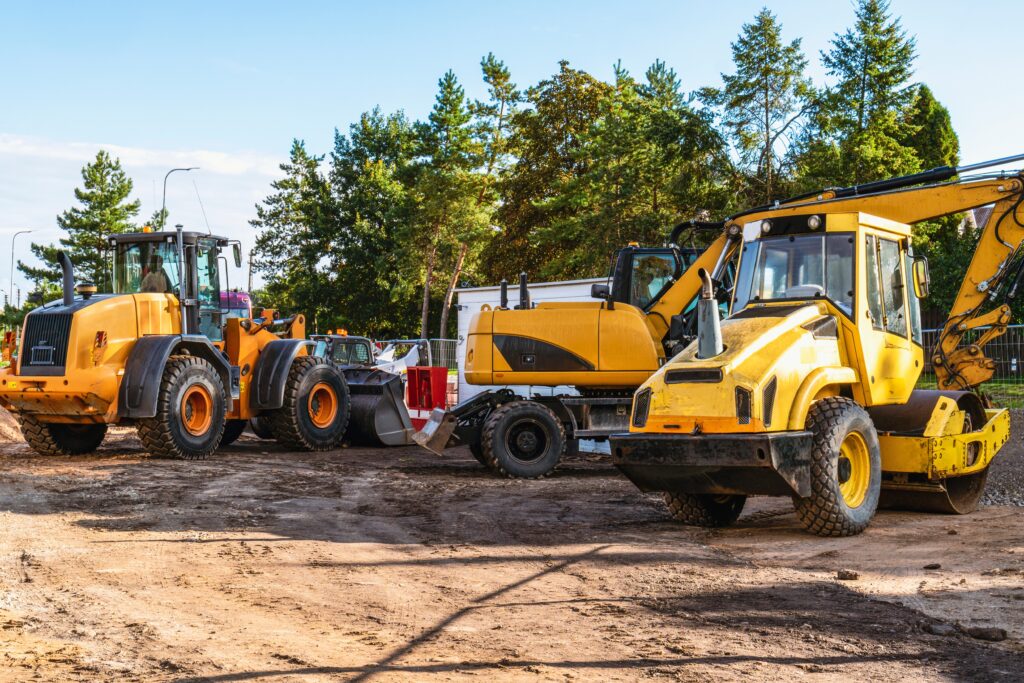
The equipment rental industry is entering a defining period. By 2026, technology will no longer be a competitive advantage reserved for industry leaders. It will be a baseline expectation for survival and growth. Rental businesses that invest now in modern systems, real-time data, and connected workflows will be positioned to outperform competitors as customer expectations rise and operational complexity increases.
From fleet visibility to predictive maintenance and digital customer experiences, the next wave of innovation is already reshaping how rental operations function. Understanding these shifts today gives rental companies the opportunity to prepare strategically rather than react under pressure tomorrow.
How Technology Is Transforming Rental Operations
Technology is fundamentally changing how rental companies manage assets, people, and profitability. In 2026, disconnected systems and manual processes will create bottlenecks that limit scalability and responsiveness.
Real-time fleet visibility is becoming essential. Telematics, GPS data, and integrated rental fleet management software allow businesses to know where assets are, how they are being used, and when they require service. This visibility improves utilization, reduces idle time, and supports smarter purchasing decisions.
At the same time, predictive maintenance is replacing reactive service models. Instead of waiting for breakdowns, rental businesses are using usage data and automated alerts to schedule maintenance proactively. This reduces downtime, extends equipment life, and improves customer satisfaction.
Another major shift is the move toward integrated rental, sales, and service workflows. Rental companies increasingly operate as full-service equipment providers. Systems that connect rental contracts, equipment sales, parts, service history, and billing into a single platform create operational efficiency and clearer financial insight.
Customer Expectations That Will Define 2026
Customer expectations are rising just as quickly as technology capabilities. In 2026, customers will expect rental interactions to mirror the digital convenience they experience in other industries.
Online reservations and self-service portals will be the norm. Customers want to check availability, request quotes, schedule rentals, and review invoices without phone calls or paperwork. Rental companies that fail to deliver seamless digital experiences risk losing business to more tech-enabled competitors.
Speed and transparency will also matter. Customers expect accurate availability, clear pricing, and real-time updates on delivery, service status, and returns. These expectations require modern equipment rental technology that connects customer-facing tools directly to backend systems.
Behind the scenes, mobile workflows for technicians will be critical. Field service teams need access to work orders, equipment history, and parts information from anywhere. Mobile-first tools improve first-time fix rates, reduce administrative delays, and ensure service teams can support customer needs efficiently.
What technology trends will shape the equipment rental industry in 2026?
The equipment rental industry in 2026 will be shaped by digital transformation focused on connectivity, automation, and data-driven decision making. Rental businesses will increasingly rely on predictive maintenance, real-time fleet visibility, mobile field service tools, and unified platforms that connect rental, sales, service, and financial operations. Customer-facing technology such as online reservations and self-service portals will also play a central role in meeting evolving expectations and driving long-term competitiveness.
Top 5 Tech Trends Coming in 2026
- Predictive maintenance and automated service alerts that reduce downtime and extend equipment life
- Unified rental, sales, and service data for complete operational visibility
- Mobile-first field service tools that empower technicians and reduce delays
- Digital reservations and customer self-service portals that improve convenience and speed
- Advanced reporting for fleet utilization and ROI that supports smarter business decisions
How RMI Helps Rental Businesses Stay Ahead of Industry Shifts
As the rental industry evolves, having the right technology platform becomes critical. RMI’s ADVANTAGE 365 platform is designed to help rental businesses adapt confidently to the demands of 2026 and beyond.
ADVANTAGE 365 delivers real-time fleet visibility, predictive maintenance capabilities, and mobile tools for technicians within a single, integrated system. By connecting rental, sales, and service workflows, it eliminates data silos and streamlines daily operations.
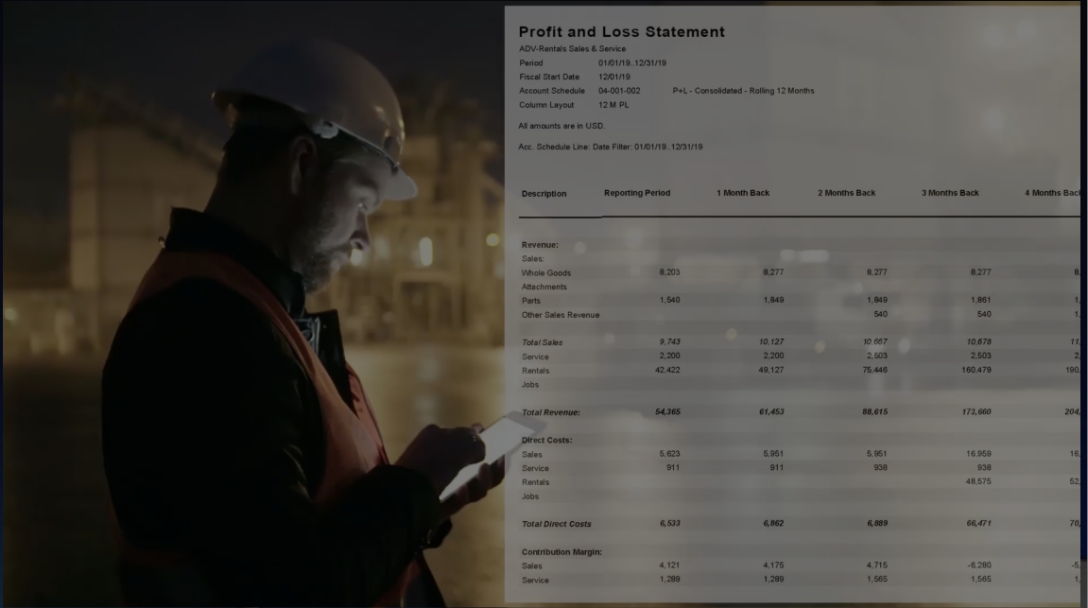
The platform also supports centralized financials and data-driven reporting, giving leadership teams accurate insights into utilization, profitability, and return on investment. With built-in scalability and cloud-based access, ADVANTAGE 365 enables rental businesses to grow without outgrowing their systems.
As equipment rental technology continues to reshape the industry, companies that invest early in connected, intelligent platforms will be best positioned to lead. Preparing now allows rental businesses to meet future customer expectations, optimize operations, and remain competitive in an increasingly digital marketplace.


 800-252-5011
 40 Darling Drive Avon, CT 06001
 sales@rmiusa.com